The Future of Cloud Computing: Emerging Trends and Innovations
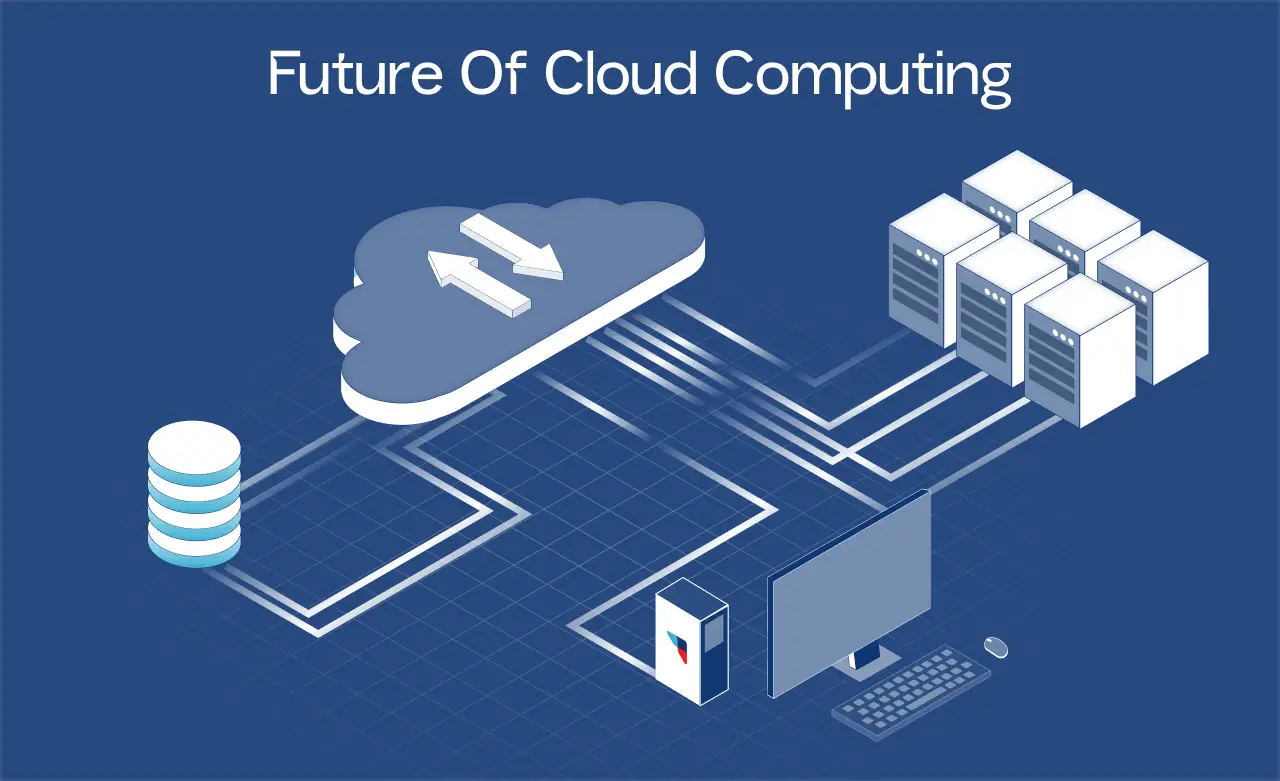
Cloud computing has transformed the way businesses operate by providing scalable infrastructure, cost-effective solutions, and flexibility that meets today’s fast-changing demands. As technology evolves, so does the cloud computing landscape. Here’s a look at the major trends driving the future of cloud computing:
1. Hybrid Cloud Adoption
Combining Public and Private Clouds Hybrid cloud models allow companies to take advantage of both public and private cloud environments. This means organizations can use the public cloud for general tasks while keeping sensitive data on private, more secure servers. This approach offers flexibility in managing resources and data.
Increased Flexibility and Scalability Hybrid clouds provide the best of both worlds by enabling businesses to scale up when needed while still controlling crucial data. It’s an efficient way to handle dynamic business needs without compromising security.
2. Edge Computing
Processing Data Closer to the Source Edge computing brings the processing power closer to where the data is generated, such as IoT (Internet of Things) devices and real-time applications. This reduces delays in data transfer (latency) and speeds up response times, making it highly beneficial for industries like healthcare, smart cities, and autonomous vehicles.
Enhanced Performance and Efficiency By reducing the need to send large amounts of data to the cloud for processing, edge computing improves efficiency and can dramatically enhance performance for real-time services and applications.
3. Serverless Computing
Pay-Per-Use Model Serverless computing lets developers focus on writing code without needing to worry about managing servers or infrastructure. In this model, organizations only pay for the computing power they actually use, which can reduce costs, especially for fluctuating workloads.
Increased Scalability and Cost-Efficiency With serverless computing, resources automatically adjust based on the demand, allowing companies to efficiently scale their applications without overspending on unused resources.
4. Artificial Intelligence (AI) and Machine Learning (ML) in the Cloud
Enhanced Data Analytics Cloud computing enables AI and ML to process and analyze vast amounts of data, providing deeper insights into consumer behavior, operational efficiency, and more. This can lead to better business outcomes and smarter decision-making.
Improved Decision-Making AI and ML automate routine tasks, predict trends, and identify patterns in data, helping businesses improve decision-making processes. These technologies are crucial for industries looking to innovate and stay competitive in the future.
5. Increased Security and Compliance
Robust Security Measures As cyber threats continue to evolve, cloud providers are investing in more advanced security features, from encryption to multi-factor authentication, to protect customer data from breaches and attacks.
Compliance with Industry Regulations Cloud providers are ensuring that their services comply with various data protection regulations, such as GDPR in Europe or HIPAA in healthcare. This focus on compliance helps businesses safely store and manage sensitive data in the cloud without worrying about violating industry standards.
Conclusion
As cloud computing evolves, it continues to unlock new possibilities and innovative solutions for businesses worldwide. From the rise of hybrid and edge computing to serverless architectures and AI-driven insights, the future of cloud computing promises greater efficiency, flexibility, and security. By staying informed about these trends, organizations can thrive in the cloud-first era.
Your Product Could Be the
Next Case Study
Explore what we’ve built — and let’s collaborate to create something impactful for your business.
We reply within 24 business hours.